
Love Takes Chances
Four emotional small town romances set in the Northern California town of Redemption Hill.
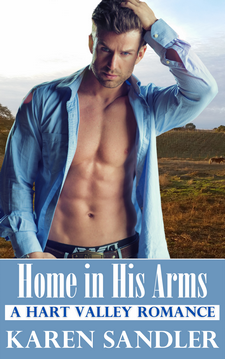
Hart Valley
Six small town romances and one novella set in the Northern California town of Hart Valley.
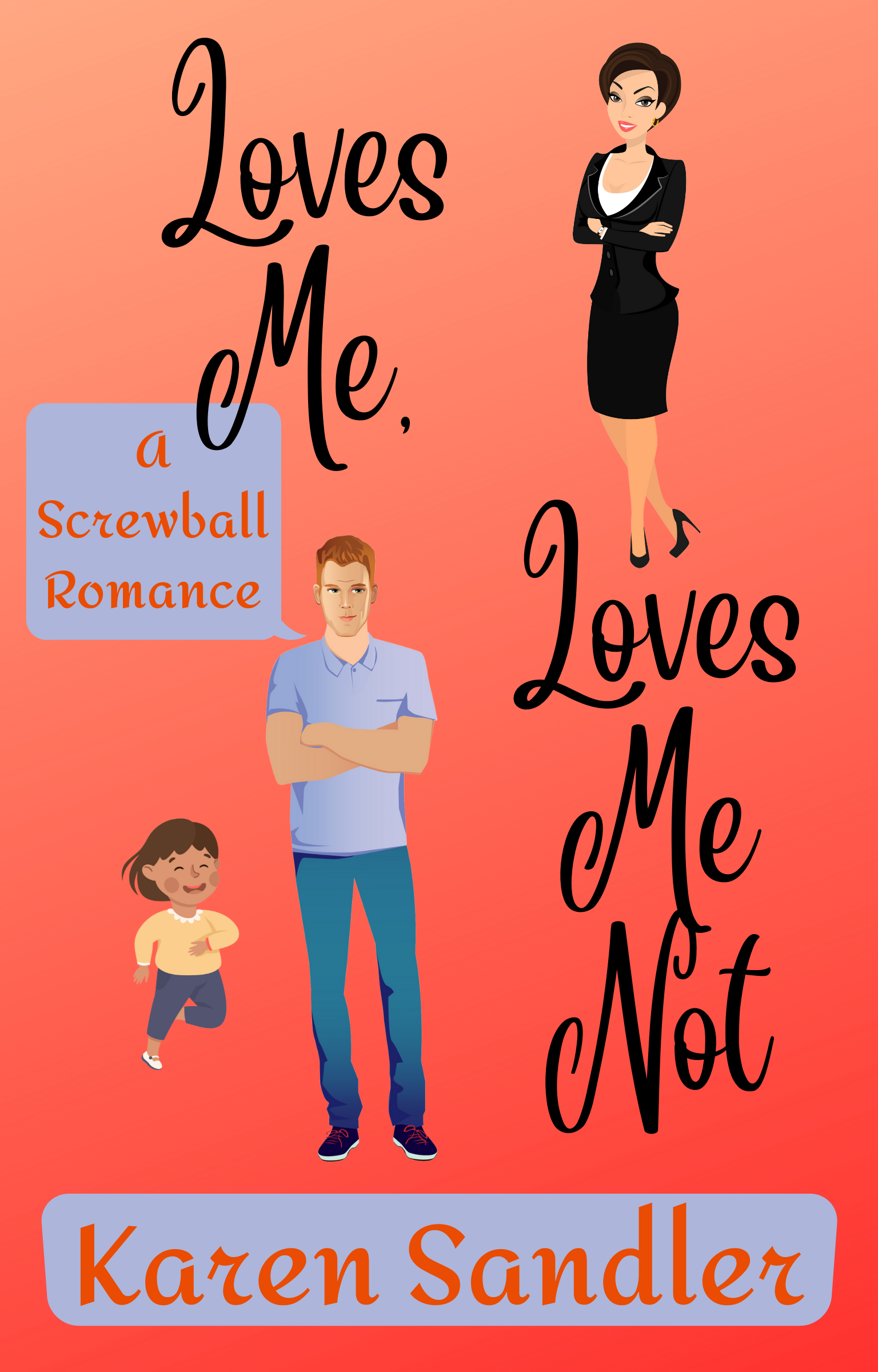
Pen Pal Sisterhood
Four laugh out loud screwball romances.
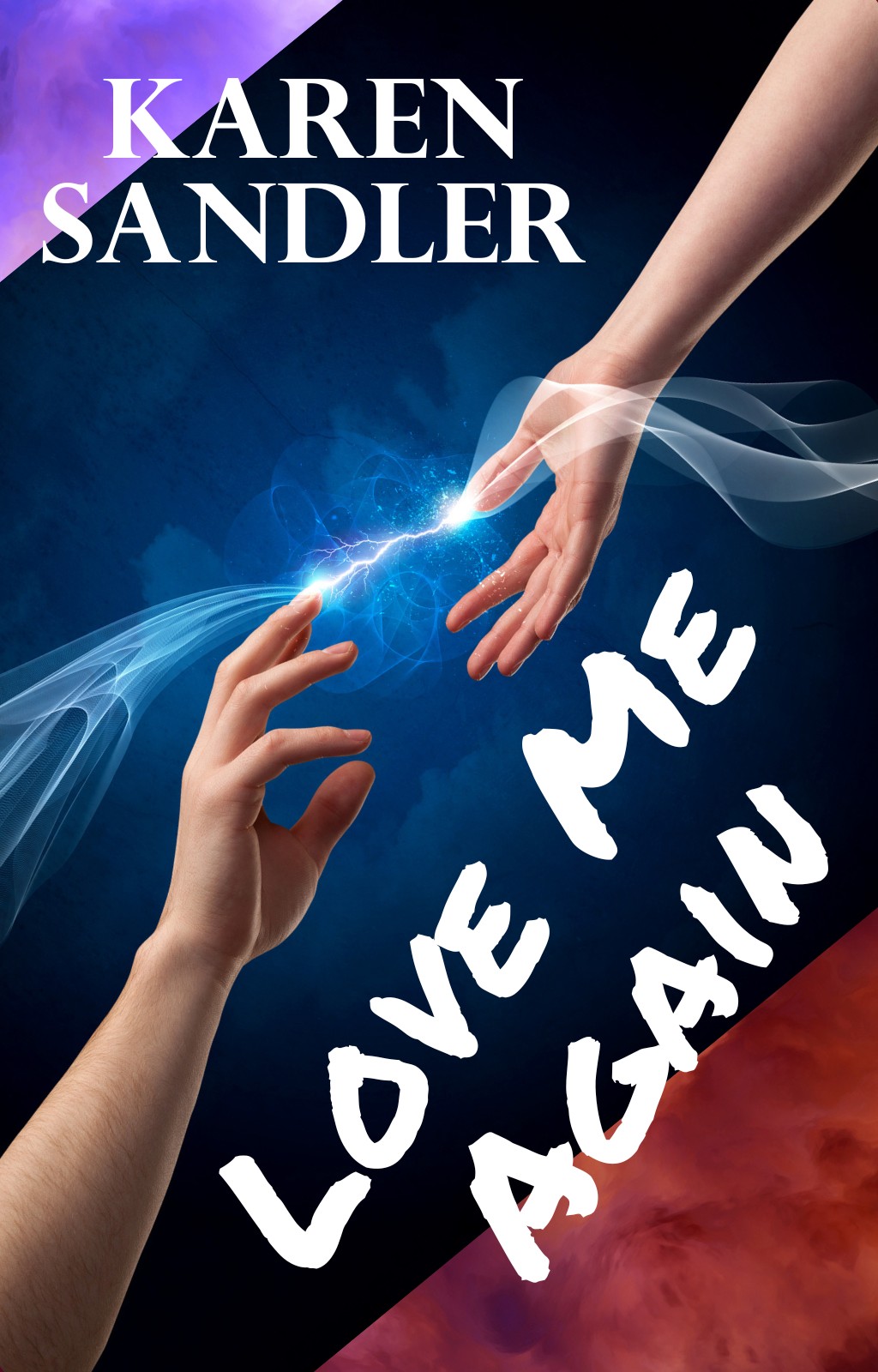
Everlasting Love
Three sensual paranormal romances with larger than life heroes.

Janelle Watkins Mysteries
Two-book series featuring an edgy woman PI who investigates crimes in a small Northern California town.
What’s a Slow Burn Romance?
Slow Burn romances follow the characters as they fall in love gradually, giving readers a realistic and genuine romantic experience. Yes, there's plenty of sexual tension and the sex, when it happens, is descriptive. But you won't see it on page 1, and not until it’s clear the hero and heroine are on the path to love.
I have four Slow Burn series:
The Hart Valley books are set in a fictional small town in Northern California. These Slow Burn romances include themes of secret babies, second chances, and redemption as well as some light suspense.
The Pen Pal Sisterhood books are set throughout the United States. Four young girls who met as tweens have become as close as sisters. Now they’re grown and helping each other navigate life and relationships in the 21st century. Join the Pen Pal Sisterhood for a zany journey of screwball romances.
The Everlasting Love books are Slow Burn paranormal and science fiction romances with hard-working, adventurous heroines and dark, mysterious heroes. You’ll find suspense in all three.
The Janelle Watkins Investigations books are mysteries featuring an edgy woman PI and her law enforcement former flame who team up to investigate crimes in a small Northern California town. There's a bit of Slow Burn romance in these books.
Take a look around. Drop me a line or sign up for my newsletter. Get to know me a little better. I’m glad you’re here.